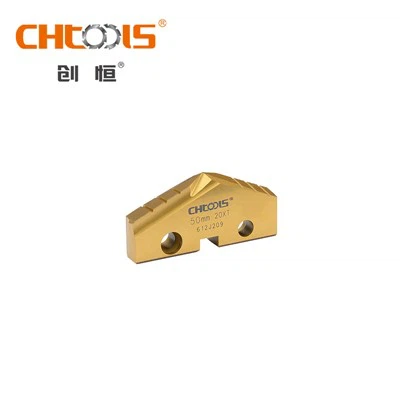
In the realm of modern machining, indexable drills have emerged as a cornerstone tool, offering unparalleled efficiency and precision. As a leading supplier of Indexable Drill, I've witnessed firsthand the transformative impact these tools have on various industries. However, like any machining process, indexable drill machining is not immune to errors. In this blog, I'll share insights on how to compensate for these errors, ensuring optimal performance and quality in your machining operations.
Understanding Common Errors in Indexable Drill Machining
Before we delve into compensation strategies, it's crucial to understand the common errors that can occur during indexable drill machining. These errors can stem from various factors, including tool wear, improper cutting parameters, workpiece material variations, and machine tool inaccuracies.
Tool Wear
Tool wear is one of the most prevalent issues in indexable drill machining. As the drill bit cuts through the workpiece, the cutting edges gradually wear down, leading to decreased cutting performance and dimensional inaccuracies. Signs of tool wear include increased cutting forces, poor surface finish, and deviation from the desired hole diameter.
Improper Cutting Parameters
Selecting the wrong cutting parameters, such as cutting speed, feed rate, and depth of cut, can also result in machining errors. For instance, a high cutting speed can cause excessive tool wear and heat generation, while a low feed rate can lead to poor chip evacuation and increased cycle times.
Workpiece Material Variations
The properties of the workpiece material, such as hardness, toughness, and thermal conductivity, can significantly affect the machining process. Variations in material composition or hardness can cause uneven cutting forces and tool wear, leading to dimensional inaccuracies and surface finish problems.
Machine Tool Inaccuracies
Machine tool inaccuracies, such as spindle runout, axis misalignment, and vibration, can also contribute to machining errors. These inaccuracies can cause the drill bit to deviate from the intended path, resulting in holes that are out of round, off-center, or have poor surface finish.
Compensating for Errors in Indexable Drill Machining
Now that we've identified the common errors in indexable drill machining, let's explore some strategies for compensating for these errors.
Tool Selection and Maintenance
- Choose the Right Tool: Selecting the appropriate indexable drill for the specific machining application is crucial. Consider factors such as workpiece material, hole diameter, depth of cut, and surface finish requirements. Best Indexable Drill options are designed to provide optimal performance and durability in a wide range of applications.
- Monitor Tool Wear: Regularly inspect the drill bit for signs of wear and replace it when necessary. Implement a tool management system to track tool usage and ensure timely replacement, minimizing the risk of machining errors due to worn tools.
- Proper Tool Installation: Ensure that the drill bit is properly installed in the toolholder and tightened to the recommended torque. Improper tool installation can cause vibration and tool deflection, leading to dimensional inaccuracies and poor surface finish.
Optimize Cutting Parameters
- Conduct Machining Tests: Before starting production, conduct machining tests to determine the optimal cutting parameters for the specific workpiece material and drill bit. Adjust the cutting speed, feed rate, and depth of cut based on the test results to achieve the best balance between productivity and quality.
- Use Cutting Fluids: Cutting fluids play a crucial role in reducing heat generation, improving chip evacuation, and extending tool life. Select the appropriate cutting fluid for the workpiece material and machining operation, and ensure proper application to maximize its effectiveness.
- Monitor Cutting Forces: Use cutting force monitoring systems to detect any abnormal increases in cutting forces during the machining process. Sudden changes in cutting forces can indicate tool wear, workpiece material variations, or other issues that need to be addressed promptly.
Account for Workpiece Material Variations
- Material Analysis: Conduct a thorough analysis of the workpiece material before machining to determine its properties and potential variations. This information can help you select the appropriate drill bit and cutting parameters to minimize the impact of material variations on the machining process.
- Adjust Cutting Parameters: If you encounter variations in workpiece material hardness or composition during machining, adjust the cutting parameters accordingly. For example, you may need to reduce the cutting speed and feed rate when machining harder materials to prevent excessive tool wear.
- Use Adaptive Machining Strategies: Implement adaptive machining strategies that can automatically adjust the cutting parameters based on real-time feedback from sensors. These strategies can help compensate for workpiece material variations and ensure consistent machining quality.
Improve Machine Tool Accuracy
- Regular Maintenance: Perform regular maintenance on your machine tools to ensure their accuracy and reliability. This includes checking and adjusting the spindle runout, axis alignment, and other critical components to minimize the risk of machining errors.
- Vibration Damping: Use vibration damping techniques, such as anti-vibration toolholders and machine tool isolators, to reduce vibration during the machining process. Vibration can cause tool deflection, poor surface finish, and dimensional inaccuracies, so it's important to minimize its effects.
- Calibration and Alignment: Periodically calibrate and align your machine tools to ensure their accuracy. This includes checking the position and orientation of the spindle, axes, and other components to ensure that they are within the specified tolerances.
Conclusion
Compensating for errors in indexable drill machining is essential for achieving optimal performance and quality in your machining operations. By understanding the common errors that can occur, implementing appropriate compensation strategies, and continuously monitoring and adjusting the machining process, you can minimize the impact of these errors and ensure consistent results.


As a trusted supplier of Indexable Drill and Insert Drill, I'm committed to providing our customers with high-quality tools and expert support. If you have any questions or need assistance with your indexable drill machining applications, please don't hesitate to contact us. We're here to help you achieve your machining goals and take your productivity to the next level.
References
- Smith, J. (2020). Modern Machining Technology. McGraw-Hill Education.
- Jones, A. (2019). Tooling for Precision Machining. Industrial Press.
- Brown, R. (2018). Machining Processes and Operations. CRC Press.