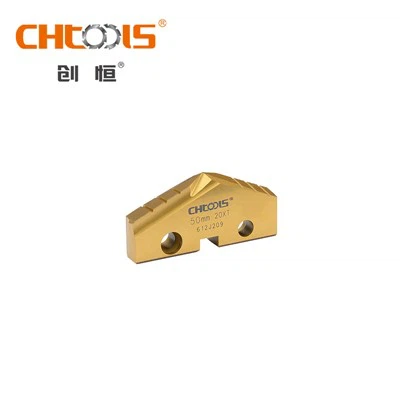
Balancing the cutting load when using multiple Spade Drill Inserts is a crucial aspect of achieving optimal performance in machining operations. As a supplier of high - quality Spade Drill Inserts, I understand the challenges and intricacies involved in this process. In this blog, I will share some in - depth insights and practical tips on how to effectively balance the cutting load for multiple Spade Drill Inserts.
Understanding the Importance of Cutting Load Balance
When multiple Spade Drill Inserts are used in a drilling operation, an uneven cutting load can lead to a range of problems. For instance, excessive load on one insert can cause premature wear, chipping, or even breakage. This not only reduces the tool life but also affects the quality of the drilled holes, leading to issues such as poor surface finish, inaccurate hole diameter, and increased dimensional tolerances. On the other hand, if the load is too light on some inserts, they may not contribute effectively to the cutting process, resulting in inefficient machining and longer cycle times.
Balancing the cutting load ensures that each Spade Drill Insert operates within its optimal performance range. This leads to extended tool life, improved hole quality, and increased productivity. It also helps in reducing the overall cost of machining by minimizing tool replacement and downtime.
Factors Affecting Cutting Load Distribution
Several factors can influence the distribution of the cutting load among multiple Spade Drill Inserts. Understanding these factors is the first step in achieving a balanced cutting load.
1. Insert Geometry
The geometry of Spade Drill Inserts plays a significant role in cutting load distribution. Different insert geometries, such as the rake angle, clearance angle, and cutting edge shape, can affect how the insert interacts with the workpiece material. For example, inserts with a larger rake angle generally have lower cutting forces but may be more prone to chipping. Ensuring that all inserts have consistent geometry is essential for balanced cutting load.
2. Insert Installation
Proper installation of Spade Drill Inserts is crucial. Any misalignment during installation can cause an uneven distribution of the cutting load. Inserts should be installed precisely in their designated seats, with the correct clamping force. Even a small deviation in the insert position can lead to significant differences in the cutting load on each insert.

3. Workpiece Material
The properties of the workpiece material, such as hardness, toughness, and homogeneity, can also impact the cutting load. Some materials may be more difficult to cut than others, and variations in the material composition within the workpiece can cause uneven cutting forces. For example, if the workpiece has hard inclusions, the inserts passing over these inclusions will experience higher cutting loads.
4. Cutting Parameters
Cutting parameters, including cutting speed, feed rate, and depth of cut, have a direct influence on the cutting load. If these parameters are not set correctly, it can lead to an imbalance in the load among the inserts. For instance, a high feed rate may cause excessive load on the inserts, while a low cutting speed may result in inefficient cutting and uneven load distribution.
Strategies for Balancing the Cutting Load
Based on the factors mentioned above, here are some strategies that can be employed to balance the cutting load when using multiple Spade Drill Inserts.
1. Select the Right Inserts
Choosing Spade Drill Inserts with the appropriate geometry for the specific machining application is essential. Consider the workpiece material, hole diameter, and required surface finish when selecting inserts. Inserts with consistent geometry and quality should be used to ensure uniform cutting performance. You can find a wide range of high - quality Spade Drill Insert options that are designed to meet various machining needs.
2. Precise Insert Installation
Take extra care during the installation of Spade Drill Inserts. Use proper tools and follow the manufacturer's installation instructions. Check the alignment of each insert and ensure that they are clamped securely. Regularly inspect the inserts for any signs of loosening or misalignment during the machining process.
3. Optimize Cutting Parameters
Experiment with different cutting parameters to find the optimal combination for balanced cutting load. Start with conservative values and gradually adjust them based on the machining results. Monitor the cutting forces, tool wear, and hole quality during the process. For example, reducing the feed rate slightly may help in reducing the cutting load on the inserts, especially when machining tough materials.
4. Workpiece Preparation
Prepare the workpiece properly before the drilling operation. This may include ensuring a flat and smooth surface, removing any surface irregularities or contaminants. If possible, perform some pre - machining operations to improve the homogeneity of the workpiece material. This can help in achieving a more even distribution of the cutting load.
5. Regular Tool Inspection and Maintenance
Regularly inspect the Spade Drill Inserts for wear, chipping, or other damage. Replace any worn - out or damaged inserts promptly. Also, clean the inserts and the drill body regularly to prevent the accumulation of chips and debris, which can affect the cutting performance and load distribution.
Monitoring and Adjusting the Cutting Load
Monitoring the cutting load during the machining process is an important part of maintaining a balanced load. There are several methods available for monitoring the cutting load.
1. Force Sensors
Force sensors can be installed on the drill body or the machine tool to measure the cutting forces. By analyzing the data from these sensors, it is possible to detect any imbalance in the cutting load among the inserts. If an imbalance is detected, adjustments can be made to the cutting parameters or the insert installation.
2. Tool Wear Monitoring
Monitoring the wear of the Spade Drill Inserts can also provide insights into the cutting load distribution. Uneven wear on the inserts may indicate an imbalance in the cutting load. If one insert is wearing significantly faster than the others, it is a sign that it is experiencing a higher cutting load.
3. Visual Inspection
Visual inspection of the drilled holes can also help in detecting any issues with the cutting load. Poor surface finish, burrs, or variations in the hole diameter may be signs of an uneven cutting load. If such issues are observed, adjustments should be made to the machining process.
Conclusion
Balancing the cutting load when using multiple Spade Drill Inserts is a complex but essential task for achieving high - quality machining results. By understanding the factors affecting cutting load distribution, implementing the right strategies, and monitoring the cutting process, it is possible to optimize the performance of the Spade Drill Inserts.
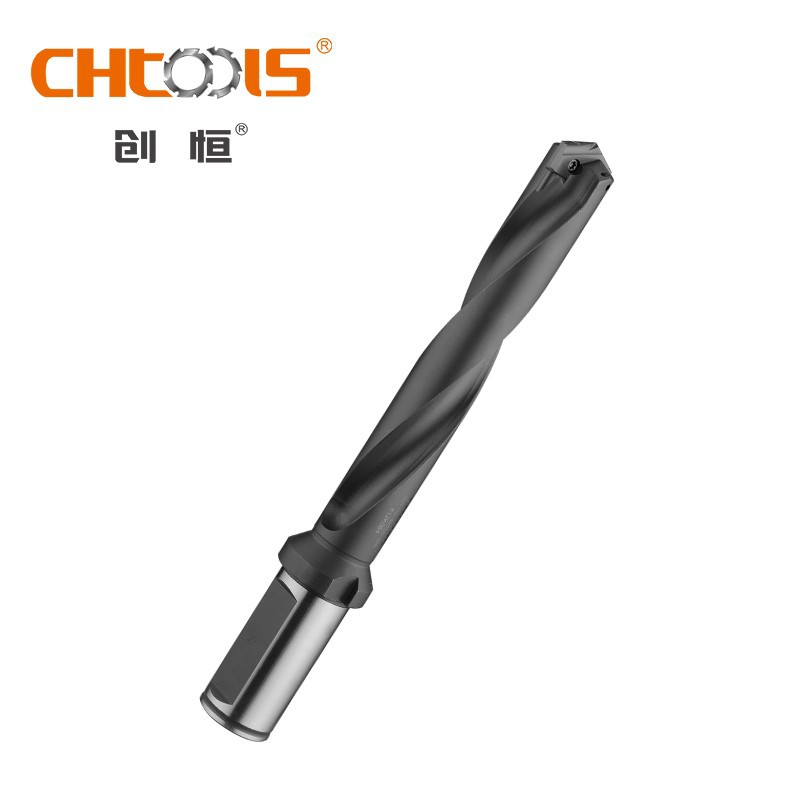
As a Spade Drill Insert supplier, we are committed to providing our customers with the best - in - class products and technical support. If you are looking for high - quality Spade Drill Insert, Indexable Drill, or Indexable Drill Bit, we have a wide range of options to meet your needs. If you have any questions or would like to discuss your specific machining requirements, please feel free to contact us for a detailed consultation and procurement discussion.
References
- Machining Handbook, 4th Edition, Industrial Press Inc.
- Tooling and Machining Technology, John Wiley & Sons
- Precision Drilling: Theory and Practice, ASME Press