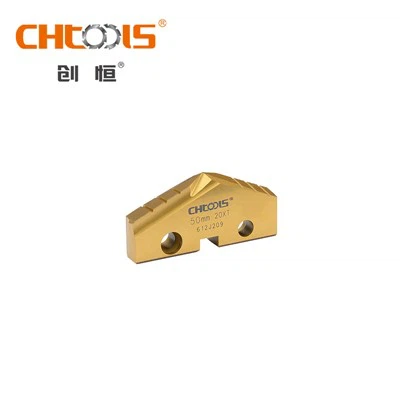
Hey there, fellow machining enthusiasts! I'm a supplier of Spade Drill Inserts, and today I'm gonna share some tips on how to adapt a Spade Drill Insert for interrupted cutting. Interrupted cutting can be a real challenge, but with the right approach, you can make your Spade Drill Inserts work like a charm in these tough conditions.
First off, let's understand what interrupted cutting is. It's when the cutting tool encounters gaps or changes in the workpiece material during the cutting process. This could be due to holes, keyways, or uneven surfaces. Interrupted cutting can cause vibrations, tool wear, and even breakage if not handled properly.


Selecting the Right Spade Drill Insert
The first step in adapting a Spade Drill Insert for interrupted cutting is to choose the right one. Not all inserts are created equal, and some are better suited for interrupted cutting than others. When selecting an insert, look for features like a strong cutting edge, good chip control, and high wear resistance.
Our Spade Drill Insert range is designed to meet the demands of interrupted cutting. We offer inserts with different geometries and coatings to suit various applications. For example, our inserts with a positive rake angle can reduce cutting forces and improve chip flow, while our inserts with a TiAlN coating provide excellent wear resistance.
Adjusting the Cutting Parameters
Once you've selected the right insert, it's time to adjust the cutting parameters. Interrupted cutting requires different cutting speeds, feeds, and depths of cut compared to continuous cutting. You need to find the right balance between productivity and tool life.
- Cutting Speed: Generally, you'll want to reduce the cutting speed when performing interrupted cutting. This helps to minimize vibrations and tool wear. Start by reducing the speed by about 20 - 30% compared to continuous cutting. You can then fine - tune the speed based on the performance of the insert.
- Feed Rate: A lower feed rate is also recommended for interrupted cutting. This allows the insert to handle the shock of the interrupted cut more effectively. You might need to reduce the feed rate by 10 - 20% compared to continuous cutting.
- Depth of Cut: Keep the depth of cut relatively shallow. A deeper cut can increase the cutting forces and put more stress on the insert, especially during interrupted cutting. Aim for a depth of cut that is about 0.5 - 1 times the width of the insert.
Toolholder and Setup
The toolholder and setup play a crucial role in adapting a Spade Drill Insert for interrupted cutting. A rigid toolholder can help to reduce vibrations and improve the stability of the cutting process.
- Toolholder Selection: Choose a toolholder that is specifically designed for interrupted cutting. Look for features like a high - clamping force and a short overhang. A short overhang reduces the leverage on the insert, making it more stable during cutting.
- Setup and Alignment: Make sure the insert is properly installed in the toolholder and that the toolholder is correctly aligned with the workpiece. Any misalignment can cause uneven cutting forces and increase the risk of tool breakage.
Coolant and Lubrication
Proper coolant and lubrication are essential for interrupted cutting. Coolant helps to reduce heat, flush away chips, and extend the tool life.
- Coolant Type: Use a coolant that is suitable for the material you're cutting. For example, water - soluble coolants are commonly used for general machining, while synthetic coolants offer better performance in high - speed and high - pressure applications.
- Coolant Delivery: Ensure that the coolant is delivered directly to the cutting edge. This can be achieved through internal coolant channels in the toolholder or external coolant nozzles. Proper coolant delivery helps to keep the insert cool and clean, reducing the risk of chip adhesion and tool wear.
Monitoring and Maintenance
Finally, it's important to monitor the performance of the Spade Drill Insert during interrupted cutting. Regularly check the insert for signs of wear, chipping, or breakage.
- Visual Inspection: Inspect the insert after each cutting operation. Look for any signs of damage, such as a dull cutting edge, chips on the insert, or cracks. If you notice any issues, replace the insert immediately to avoid further damage to the workpiece or the toolholder.
- Performance Monitoring: Keep track of the cutting performance, such as the surface finish of the workpiece and the cutting forces. A sudden change in these parameters could indicate a problem with the insert or the cutting process.
In addition to monitoring, proper maintenance of the insert and the toolholder is also crucial. Clean the insert and the toolholder regularly to remove chips and debris. This helps to prevent corrosion and ensure the long - term performance of the tool.
Conclusion
Adapting a Spade Drill Insert for interrupted cutting requires a combination of the right insert selection, proper cutting parameter adjustment, a stable toolholder setup, effective coolant and lubrication, and regular monitoring and maintenance. By following these tips, you can improve the performance of your Spade Drill Inserts in interrupted cutting applications.
If you're interested in learning more about our Spade Drill Insert range or need help with your interrupted cutting applications, don't hesitate to get in touch. We're here to provide you with the best solutions for your machining needs. Whether you're using an Indexable Drill or an Indexable Drill Bit, we've got the expertise to support you. Contact us today to start a conversation about your specific requirements and let's work together to achieve the best results.
References
- "Machining Handbook", Industrial Press Inc.
- "Cutting Tool Engineering", Society of Manufacturing Engineers