Hey there! As a supplier of Spade Drill Insert, I've seen firsthand how the spindle power can have a huge impact on the use of these awesome tools. So, let's dive right in and explore this topic together.
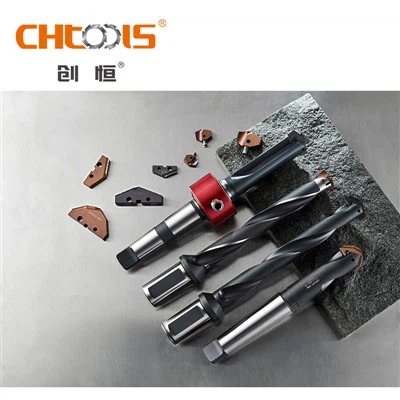
First off, what exactly is a spade drill insert? Well, it's a cutting tool that's used in drilling operations. It's designed to create holes in a variety of materials, from metals to plastics. The Spade Drill Insert is known for its efficiency and ability to produce high - quality holes quickly.
Now, let's talk about spindle power. Spindle power is the amount of energy that the spindle of a machine tool can deliver to the cutting tool. It's a crucial factor because it determines how well the spade drill insert can perform its job.
Impact on Cutting Speed
One of the most significant ways spindle power affects the use of a spade drill insert is through cutting speed. With higher spindle power, the drill insert can rotate at a faster speed. This means that it can cut through the material more quickly. For example, if you're drilling a hole in a piece of aluminum, a high - power spindle can allow the Spade Drill Insert to spin at a speed that cuts through the metal in a fraction of the time compared to a low - power spindle.
However, it's not all about going as fast as possible. There's a limit to how fast the insert can spin. If the spindle power is too high and the insert is spinning at an excessive speed, it can cause the insert to wear out quickly. The high - speed rotation generates a lot of heat, which can damage the cutting edges of the insert. So, it's important to find the right balance.


Influence on Feed Rate
Feed rate is another aspect affected by spindle power. The feed rate refers to how fast the drill insert moves into the material as it rotates. A higher spindle power can support a higher feed rate. When you have more power, the drill can push through the material more effectively.
Let's say you're using a Carbide Insert Of Spade Drill to drill a hole in a thick steel plate. With a low - power spindle, you might have to use a very slow feed rate to avoid overloading the drill. But with a high - power spindle, you can increase the feed rate, which means you can complete the drilling operation faster.
But again, there are risks. If the feed rate is too high relative to the spindle power, the drill insert can get stuck or break. The insert might not be able to handle the force of pushing through the material at such a high rate, and it could lead to a damaged insert and a ruined workpiece.
Effect on Hole Quality
The quality of the holes produced by the spade drill insert is also closely related to spindle power. When the spindle power is appropriate, the drill can cut smoothly through the material, resulting in a clean and precise hole. The edges of the hole will be smooth, and there will be less burrs or rough spots.
On the other hand, if the spindle power is too low, the drill insert might struggle to cut through the material. This can cause the drill to chatter, which leads to an uneven hole surface. The hole might not be the right size or shape, and it could affect the functionality of the workpiece.
For instance, in a manufacturing process where precision is key, like making engine parts, a poorly drilled hole due to insufficient spindle power can lead to problems with the assembly and performance of the engine.
Material Compatibility
Different materials require different levels of spindle power when using a spade drill insert. Harder materials, such as stainless steel or titanium, need more power to cut through compared to softer materials like wood or acrylic.
When using a Spade Drill Insert on a hard material, a low - power spindle might not be able to provide enough force to break through the material's structure. This can cause the insert to overheat and wear out prematurely. In contrast, a high - power spindle can handle the tough job of cutting through hard materials more effectively.
For softer materials, too much spindle power can also be a problem. It can cause the material to melt or splinter, ruining the workpiece. So, as a supplier, we always recommend choosing the right spindle power based on the material you're working with.
Tool Life
Spindle power has a direct impact on the tool life of the spade drill insert. As mentioned earlier, excessive spindle power can lead to rapid wear and tear of the insert. The high heat generated by high - speed rotation and high feed rates can cause the cutting edges to dull quickly.
On the other hand, if the spindle power is too low, the insert has to work harder to cut through the material. This can also lead to increased wear over time. To maximize the tool life of the Spade Drill Insert, it's essential to select the appropriate spindle power for the job.
Choosing the Right Spindle Power
So, how do you choose the right spindle power for your spade drill insert? First, consider the material you'll be drilling. As we've discussed, harder materials need more power. You also need to think about the size of the hole you're drilling. Larger holes generally require more power.
Another factor is the type of Indexable Drill you're using. Different indexable drills have different power requirements. It's a good idea to consult the manufacturer's guidelines for both the drill insert and the machine tool to determine the optimal spindle power.
Conclusion
In conclusion, spindle power plays a vital role in the use of a spade drill insert. It affects cutting speed, feed rate, hole quality, material compatibility, and tool life. As a supplier of Spade Drill Insert, I understand how important it is to get the spindle power right.
If you're in the market for spade drill inserts and need help choosing the right ones for your specific spindle power and application, don't hesitate to reach out. We're here to assist you in making the best decisions for your drilling needs. Whether you're a small - scale workshop or a large - scale manufacturing plant, we have the products and expertise to meet your requirements. Contact us to start a procurement discussion and take your drilling operations to the next level.
References
- Tooling Handbook: A Guide to Cutting Tools and Machining Processes
- Journal of Manufacturing Technology: Studies on the Impact of Spindle Power on Drilling Operations
- Manufacturer's Manuals for Spade Drill Inserts and Machine Tools