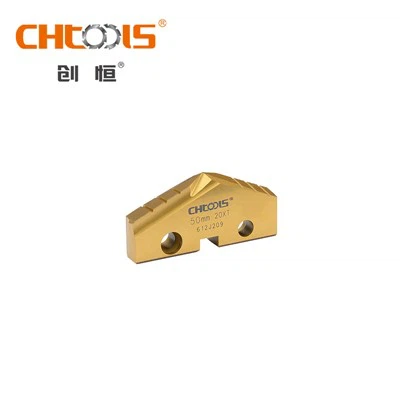
Hey there! I'm a supplier of rail drill bits, and today I wanna chat about how the drill bit's material composition affects its toughness. It's a topic that's super important in the drilling world, especially when it comes to the kind of drill bits we use for rails.
First off, let's talk about why toughness matters. When you're drilling into hard materials like rails, the drill bit has to withstand a ton of stress. It needs to be tough enough not to break or chip easily. If a drill bit isn't tough, it'll wear out quickly, and that means more downtime for replacing bits and less productivity. So, getting the right material composition is crucial.
One of the most common materials used in drill bits is high - speed steel (HSS). HSS drill bits are made from an alloy that contains elements like tungsten, molybdenum, chromium, and vanadium. These elements give HSS its high - speed cutting ability and decent toughness. Tungsten, for example, increases the hardness and heat resistance of the steel. Molybdenum helps with the hardenability and also improves the strength at high temperatures. Chromium forms a protective oxide layer on the surface of the drill bit, which helps prevent corrosion. And vanadium increases the wear resistance.
The toughness of HSS drill bits comes from its balanced composition. The alloying elements work together to give the steel a microstructure that can absorb and distribute the stresses during drilling. However, HSS isn't the toughest option out there. When drilling extremely hard rails, HSS bits might struggle. They can overheat and lose their hardness, leading to premature dulling and breakage.
Now, let's move on to carbide - tipped drill bits. Carbide is a super - hard material made up of tungsten carbide particles bonded together with a metal binder, usually cobalt. The high hardness of carbide makes it great for drilling through very hard materials. But what about its toughness?
The toughness of carbide - tipped drill bits depends a lot on the amount of cobalt binder. Cobalt acts as a sort of glue that holds the tungsten carbide particles together. A higher cobalt content generally means better toughness. When a drill bit hits a hard spot in the rail, the cobalt can deform slightly and absorb the shock, preventing the carbide from cracking. But there's a trade - off. As you increase the cobalt content, the hardness of the carbide decreases. So, drill bit manufacturers have to find the right balance between hardness and toughness.
Carbide - tipped drill bits are often used in more heavy - duty drilling applications. They can cut through rails faster and last longer than HSS bits in many cases. But they're also more expensive. If you need to drill a large number of holes in hard rails, though, the cost might be worth it in the long run because of the improved productivity.
Another material option for drill bits is cobalt - alloyed high - speed steel. This is like an upgraded version of regular HSS. It has a higher percentage of cobalt in the alloy, which gives it better heat resistance and toughness compared to standard HSS. The cobalt in the steel helps maintain the hardness at higher temperatures, so the drill bit can keep cutting effectively even when it gets hot.
Cobalt - alloyed HSS drill bits are a great choice for drilling rails that are slightly harder than what regular HSS can handle. They're more affordable than carbide - tipped bits while still offering improved performance over traditional HSS. They're also more versatile and can be used in a wider range of drilling conditions.
When it comes to choosing the right drill bit for your rail - drilling needs, you really need to consider the hardness of the rails and the volume of drilling. If the rails are relatively soft and you only need to drill a few holes, HSS drill bits might be a good, cost - effective option. But if you're dealing with hard rails and high - volume drilling, carbide - tipped or cobalt - alloyed HSS bits could be the way to go.
Now, let's talk about some related tools that can work well with these drill bits. If you're looking for a great magnetic drilling machine to use with your rail drill bits, check out the Best Magnetic Drilling Machine. It provides a stable and powerful platform for drilling, which can improve the performance of your drill bits.
For those who need to make larger holes in the rails, a Carbide Annular Cutter Set can be a great addition. These cutters are designed to cut through thick materials efficiently and can be used in conjunction with the right drill bits for a more comprehensive drilling solution.
And if you need to cut holes in metal, including rails, a Carbide Tip Hole Saw for Metal is a handy tool. It can make clean and precise holes, and the carbide tips ensure long - lasting performance.
In conclusion, the material composition of a drill bit has a huge impact on its toughness. Whether it's the alloying elements in HSS, the cobalt content in carbide - tipped bits, or the special additives in cobalt - alloyed HSS, each material has its own unique properties that affect how well the drill bit can handle the stresses of drilling.
If you're in the market for rail drill bits or any of the related tools I mentioned, don't hesitate to reach out. We're here to help you find the best solutions for your drilling needs. Whether you're a small - scale operator or a large - scale industrial user, we've got the products and expertise to support you.


References
- "Drill Bit Materials and Their Applications" - Handbook of Metalworking Tools
- "The Science of Carbide in Drilling" - Journal of Industrial Drilling Technology