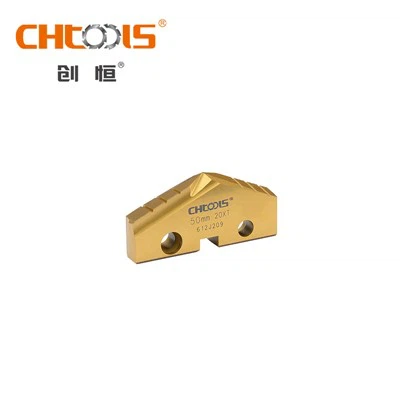
Hey there! I'm a supplier of Spiral Tap, and I often get asked how to start a new game in Spiral Tap. Well, before we dive into that, let me give you a quick lowdown on what Spiral Tap is.
Spiral Tap, as you can check out Spiral Tap, is a really cool tool in the machining world. It's used for cutting internal threads in a workpiece. And just like starting any new venture, beginning a new "game" with Spiral Tap has its own set of steps and considerations.
Pre - game Preparation
First things first, you need to gather all the necessary equipment. You'll obviously need the Spiral Tap itself. Make sure to pick the right size and pitch according to the thread requirements of your project. You don't want to end up with a tap that's too big or too small.
Next, you'll need a drill. The drill is used to create a pilot hole before you start tapping. The diameter of the pilot hole is crucial. It should be carefully calculated based on the tap size and the material you're working with. For example, if you're tapping into a softer material like aluminum, the pilot hole diameter might be a bit different compared to tapping into steel.
You also need a tapping wrench. This tool is used to hold the Spiral Tap and apply the right amount of torque when you start cutting the threads. A good - quality tapping wrench can make a huge difference in the tapping process.
Setting up the Workpiece
Once you have all your tools ready, it's time to set up the workpiece. Make sure the workpiece is firmly secured in a vise or some other clamping device. You don't want it moving around while you're tapping, as that can lead to misaligned threads or even break the tap.
Clean the surface of the workpiece where you'll be making the hole. Any dirt, debris, or oil can affect the accuracy of the drilling and tapping. Use a clean cloth or a brush to get rid of any unwanted particles.
Drilling the Pilot Hole
Now it's time to drill the pilot hole. Insert the appropriate drill bit into your drill. Make sure the drill is set to the correct speed. Generally, for softer materials, you can use a higher speed, while for harder materials, a lower speed is better.
Start the drill and slowly bring it down to the workpiece. Apply steady pressure, but don't push too hard. Let the drill bit do its job. Once the hole is drilled to the right depth, stop the drill and remove the drill bit.
Lubrication
Lubrication is super important when using a Spiral Tap. It helps reduce friction between the tap and the workpiece, which in turn makes the tapping process smoother and extends the life of the tap. You can use a cutting oil or a tapping fluid. Apply the lubricant to the pilot hole and the Spiral Tap before you start tapping.
Starting the Tapping Process
Insert the Spiral Tap into the tapping wrench. Then, carefully place the tap into the pilot hole. Make sure it's perpendicular to the surface of the workpiece. This is crucial for getting straight and accurate threads.


Start turning the tapping wrench clockwise. Apply a light and steady pressure. You'll feel some resistance as the tap starts cutting the threads. Don't force it too much. If you encounter excessive resistance, stop and check if there's something wrong, like a chip clogging the tap or a misaligned hole.
As you turn the wrench, you may need to back it off a quarter - turn every now and then. This helps break up the chips and prevents them from clogging the flutes of the Spiral Tap.
Completing the Threads
Keep turning the tapping wrench until you've cut the threads to the desired depth. Once you're done, carefully remove the Spiral Tap from the workpiece. You can use a counter - clockwise motion to back the tap out.
After removing the tap, clean the workpiece again to get rid of any chips or lubricant. Inspect the threads to make sure they're clean, straight, and of the right pitch.
Troubleshooting
Sometimes, things don't go as smoothly as planned. If the tap breaks during the tapping process, don't panic. Try to remove the broken piece carefully. You can use a drill bit slightly smaller than the tap to drill out the broken part.
If the threads are not coming out right, it could be due to a few reasons. Maybe the pilot hole was the wrong size, or the tap was not perpendicular to the workpiece. In such cases, you may need to start over and correct the issue.
Why Choose Our Spiral Taps
As a supplier, I can tell you that our Spiral Taps are top - notch. They're made from high - quality materials that ensure durability and precision. We have a wide range of sizes and pitches to meet all your threading needs. Whether you're working on a small DIY project or a large - scale industrial job, our Spiral Taps can get the job done.
Let's Talk Business
If you're interested in purchasing Spiral Taps for your projects, I'd love to have a chat with you. We can discuss your specific requirements, pricing, and delivery options. Contact us to start the procurement process and take your threading projects to the next level.
References
- Machining Handbook: A comprehensive guide on machining processes including tapping.
- Industry - specific technical papers on the use of Spiral Taps.