Step bits, also known as step drill bits, are unique cutting tools with a series of stepped diameters. These bits are commonly recognized for their use in drilling holes of various sizes in materials such as metal, wood, and plastic. As a step bit supplier, I've often been asked whether step bits can be used in sensor applications. In this blog, we'll explore the potential of step bits in sensor - related projects, their advantages, limitations, and how they can be integrated into sensor setups.
Understanding Step Bits
Before delving into sensor applications, it's essential to understand what step bits are. Step bits are conical in shape, with multiple levels or steps, each representing a different drill diameter. This design allows a single bit to drill holes of various sizes without the need to change bits frequently. They are typically made from high - speed steel (HSS) or cobalt, which provides the durability needed to cut through tough materials.
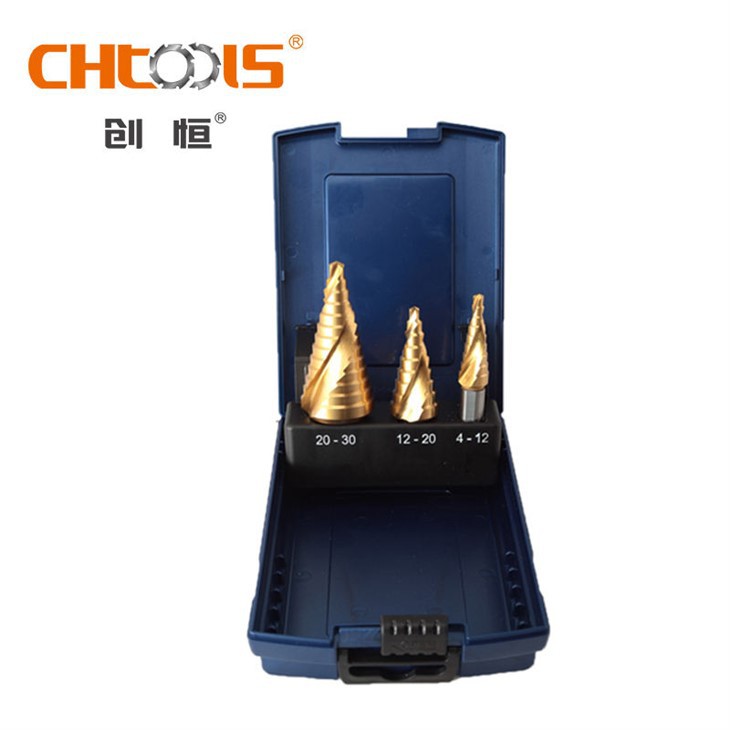
There are different types of step bits available in the market. For example, you can find Step Drill Bit Set which usually includes multiple step bits with different step sizes and maximum diameters. The HSS Step Drill is a popular choice due to its high - speed steel construction, which offers good heat resistance and cutting performance. And if you're working specifically with metal, the Step Drill Bit for Metal is designed to handle the hardness of metal materials.
Potential Sensor Applications of Step Bits
Mounting Holes for Sensors
One of the most straightforward applications of step bits in sensor projects is creating mounting holes. Sensors often need to be securely attached to a surface, whether it's a metal frame, a wooden panel, or a plastic enclosure. Step bits can be used to drill holes of the appropriate size for screws or bolts that will hold the sensor in place.
For example, in an industrial environment, sensors might be installed on metal machinery. Using a step bit, it's possible to drill holes of different sizes for different types of fasteners. The ability to use a single bit to create holes of various diameters reduces the time and effort required for the installation process.
Cable Management
Sensors usually require cables for power supply and data transmission. Step bits can be used to drill holes in enclosures or panels for cable routing. These holes need to be of the right size to allow the cables to pass through without being too loose or too tight. With a step bit, you can easily adjust the hole size according to the cable diameter.
In a smart home sensor system, for instance, sensors are often installed in walls or cabinets. Step bits can be used to drill holes in the cabinet or wall for running the sensor cables, ensuring a clean and organized installation.
Custom - sized Holes for Sensor Probes
Some sensors have probes that need to be inserted into specific materials or containers. Step bits can create custom - sized holes to accommodate these probes. For example, in a chemical sensing application, a sensor probe might need to be inserted into a plastic or glass container. The step bit can be used to drill a hole that precisely fits the probe, ensuring a proper seal and accurate sensor readings.
Advantages of Using Step Bits in Sensor Applications
Efficiency
As mentioned earlier, the ability to drill multiple hole sizes with a single bit significantly improves efficiency. Instead of swapping between different drill bits for different hole sizes, a single step bit can do the job. This saves time, especially in large - scale sensor installation projects where many holes need to be drilled.
Cost - effectiveness
Using step bits can also be cost - effective. You don't need to invest in a large set of individual drill bits for different hole sizes. A single step bit or a step drill bit set can cover a wide range of hole diameters, reducing the overall cost of the drilling tools.
Precision
Step bits are designed to provide precise hole sizes. The stepped design allows for accurate control over the hole diameter, which is crucial in sensor applications. For example, if a hole is too large for a sensor probe or cable, it can lead to inaccurate sensor readings or cable movement. With a step bit, you can ensure that the holes are of the exact size required.
Limitations and Considerations
Material Compatibility
While step bits can be used on a variety of materials, different materials require different types of step bits. For example, drilling through hardened metal might require a cobalt - tipped step bit, while a regular HSS step bit might be sufficient for softer metals or plastics. It's important to choose the right step bit based on the material you're working with to ensure proper cutting performance and bit longevity.
Depth Control
Step bits are primarily designed for creating holes of specific diameters, and depth control can be a challenge. In some sensor applications, the depth of the hole is also important. For example, when drilling a hole for a sensor probe, the hole depth needs to be just right to ensure proper probe insertion. Special techniques or tools might be needed to control the drilling depth accurately.
Bit Wear
Like any cutting tool, step bits will wear out over time. The wear rate depends on factors such as the material being drilled, the drilling speed, and the frequency of use. In sensor applications where precision is crucial, it's important to monitor the bit wear and replace the bit when it starts to show signs of dullness or excessive wear.
Integration of Step Bits into Sensor Projects
Planning
Before starting a sensor project, it's important to plan the hole - drilling requirements. Determine the sizes and locations of the holes needed for sensor mounting, cable routing, and probe insertion. This will help you choose the right step bit or step drill bit set for the project.
Testing
It's a good idea to do some test drills on scrap material before drilling on the actual sensor components or enclosures. This allows you to check the hole size, depth, and the overall performance of the step bit. You can also adjust the drilling speed and pressure based on the test results.
Maintenance
Proper maintenance of the step bits is essential for their long - term performance. After each use, clean the bit to remove any debris or chips. Store the bits in a dry and organized manner to prevent damage.
Conclusion
In conclusion, step bits can indeed be used in sensor applications. They offer several advantages such as efficiency, cost - effectiveness, and precision in creating holes for sensor mounting, cable management, and probe insertion. However, there are also limitations and considerations, such as material compatibility, depth control, and bit wear, that need to be taken into account.
If you're involved in sensor projects and are looking for high - quality step bits, I encourage you to reach out for more information. We, as a step bit supplier, are dedicated to providing the best step bits for your specific needs. Whether you need a Step Drill Bit Set, an HSS Step Drill, or a Step Drill Bit for Metal, we have the right products for you. Contact us for more details and to discuss your procurement requirements.
References
- Machinery's Handbook, 31st Edition, Industrial Press Inc.
- Drill Bit Selection Guide, various industry publications