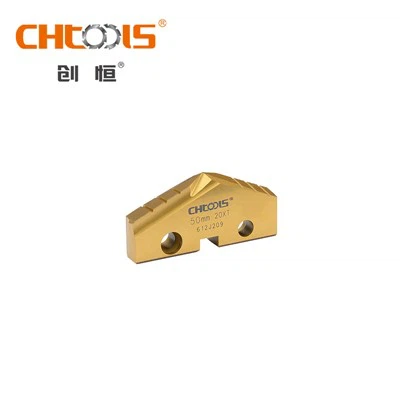
Can HSS Mini Hole Saws Be Used on PVC?
As a passionate supplier of HSS (High-Speed Steel) mini hole saws, I often encounter questions from customers regarding the versatility of our products. One of the most common queries is whether HSS mini hole saws can be used on PVC. In this blog post, I'll delve into this topic, exploring the technical aspects, practical considerations, and best practices for using HSS mini hole saws on PVC.


Understanding HSS Mini Hole Saws
HSS mini hole saws are precision cutting tools designed for creating holes in a variety of materials. The high-speed steel construction offers excellent hardness and wear resistance, making them suitable for cutting through tough materials like metal. The "mini" aspect refers to their smaller size, which is ideal for applications where space is limited or when smaller holes are required.
The Properties of PVC
PVC, or polyvinyl chloride, is a widely used thermoplastic polymer known for its durability, chemical resistance, and relatively low cost. It comes in various forms, including rigid PVC (used in pipes, window frames, and construction materials) and flexible PVC (used in electrical cables, flooring, and medical devices). PVC has a lower melting point compared to metals, and it can be prone to melting or deforming if exposed to excessive heat during the cutting process.
Can HSS Mini Hole Saws Cut PVC?
The short answer is yes, HSS mini hole saws can be used on PVC. However, there are several factors to consider to ensure a successful and clean cut.
Advantages of Using HSS Mini Hole Saws on PVC
- Versatility: If you already have HSS mini hole saws for metal cutting, you can use them for PVC projects without having to invest in additional specialized tools.
- Precision: HSS mini hole saws are designed to provide accurate and clean cuts, which is essential for PVC applications where a smooth finish is often required.
- Availability: HSS mini hole saws are widely available, making them a convenient option for DIY enthusiasts and professionals alike.
Challenges of Using HSS Mini Hole Saws on PVC
- Heat Generation: As mentioned earlier, PVC has a low melting point. The friction generated during the cutting process can cause the PVC to melt or deform, resulting in a rough or uneven cut.
- Chip Removal: PVC tends to produce long, stringy chips that can clog the teeth of the hole saw, reducing its cutting efficiency and potentially causing damage to the tool.
- Tooth Design: The tooth design of HSS mini hole saws is optimized for cutting metal, which may not be the most efficient for cutting PVC. The teeth may be too aggressive, causing the PVC to crack or splinter.
Tips for Using HSS Mini Hole Saws on PVC
To overcome the challenges mentioned above and achieve a clean, precise cut on PVC, follow these tips:
Use the Right Speed
Reduce the cutting speed compared to when using the hole saw on metal. A slower speed will help minimize heat generation and prevent the PVC from melting. Most power drills have variable speed settings, so adjust the speed to a lower setting (around 500 - 1000 RPM) for PVC cutting.
Apply Lubrication
Using a lubricant can significantly reduce friction and heat during the cutting process. You can use a general-purpose cutting fluid or even a simple soap and water solution. Apply the lubricant to the cutting area before and during the cutting process to keep the PVC cool and prevent the chips from sticking to the hole saw.
Clear the Chips Regularly
To prevent chip clogging, stop periodically during the cutting process to clear the chips from the teeth of the hole saw. You can use a brush or compressed air to remove the chips. This will help maintain the cutting efficiency of the hole saw and prevent damage to the tool.
Support the PVC
Make sure the PVC material is properly supported to prevent it from vibrating or moving during the cutting process. This will help ensure a clean, straight cut and reduce the risk of cracking or splintering. You can use clamps or a vice to secure the PVC in place.
Choose the Right Tooth Design
Some HSS mini hole saws come with a special tooth design for cutting non-metallic materials like PVC. These hole saws have a finer tooth pitch and a more gentle cutting action, which helps reduce the risk of cracking and splintering. If possible, choose a hole saw with a tooth design specifically designed for PVC cutting.
Applications of HSS Mini Hole Saws on PVC
HSS mini hole saws can be used in a variety of PVC applications, including:
- Electrical Installations: Creating holes in PVC electrical boxes or conduit for wiring.
- Plumbing: Cutting holes in PVC pipes for fittings or connections.
- DIY Projects: Making holes in PVC sheets for various DIY projects, such as building shelves or creating custom enclosures.
Conclusion
In conclusion, HSS mini hole saws can be used on PVC, but it's important to take the necessary precautions to ensure a successful and clean cut. By using the right speed, applying lubrication, clearing the chips regularly, supporting the PVC, and choosing the right tooth design, you can achieve excellent results when using HSS mini hole saws on PVC.
If you're in the market for high-quality HSS mini hole saws, look no further. Our Metal Hole Saw is designed to provide precision and durability for a variety of cutting applications, including PVC. Whether you're a DIY enthusiast or a professional contractor, our HSS mini hole saws are the perfect choice for your next project.
If you have any questions or would like to discuss your specific requirements, please don't hesitate to contact us. We're here to help you find the right cutting solution for your needs.
References
- "Handbook of PVC Technology" by William V. Titow
- "Cutting Tools and Operations" by P. K. Rao