Can a modular drill be used for drilling in nickel - based alloys?
Hey there! I'm a supplier of modular drills, and I often get asked this question: Can a modular drill be used for drilling in nickel - based alloys? Well, let's dig into this topic and find out.
First off, let's talk a bit about nickel - based alloys. These alloys are known for their excellent corrosion resistance, high - temperature strength, and good mechanical properties. They're used in a wide range of industries, from aerospace to chemical processing. But drilling them is no walk in the park. Nickel - based alloys are tough, and they tend to work - harden quickly. This means that as you drill, the material around the hole can become even harder, making it more difficult to continue drilling.
Now, let's look at modular drills. Modular drills are pretty cool. They consist of a drill body and replaceable inserts. The great thing about this design is that when the inserts wear out, you don't have to throw away the whole drill. You just replace the inserts, which can save you a lot of money in the long run.


So, can modular drills handle the challenge of drilling nickel - based alloys? The answer is yes, but with some important considerations.
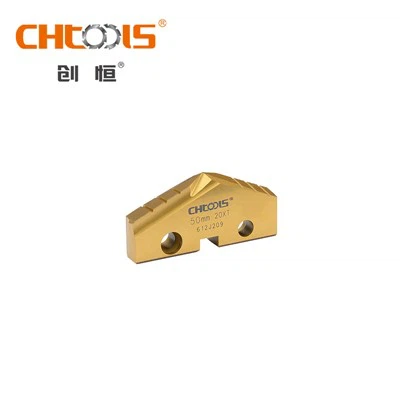
One of the key factors is the type of insert used in the modular drill. For nickel - based alloys, you need inserts made from high - performance materials. Carbide Insert Of High Speed Modular Drill is a great option. Carbide inserts are extremely hard and can withstand the high temperatures and pressures generated during drilling. They also have good wear resistance, which means they'll last longer when drilling these tough alloys.
Another important aspect is the geometry of the insert. The right insert geometry can make a huge difference in the drilling process. For nickel - based alloys, inserts with sharp cutting edges and proper chip - breaking features are essential. Sharp cutting edges reduce the cutting force required, which helps to prevent work - hardening. And good chip - breaking features ensure that the chips are properly removed from the hole, preventing them from clogging the drill and causing damage.
The coating on the insert also plays a crucial role. A good coating can improve the insert's wear resistance, reduce friction, and increase its lifespan. There are several types of coatings available, such as titanium nitride (TiN), titanium aluminum nitride (TiAlN), and diamond - like carbon (DLC). Each coating has its own advantages, and the choice depends on the specific drilling conditions and requirements.
Now, let's talk about the drilling parameters. When using a modular drill to drill nickel - based alloys, you need to adjust the cutting speed, feed rate, and depth of cut carefully. Generally, a lower cutting speed is recommended to avoid excessive heat generation, which can cause the insert to wear out quickly. A moderate feed rate helps to ensure a smooth cutting process and proper chip formation. And the depth of cut should be kept within a reasonable range to prevent overloading the drill.
In my experience as a modular drill supplier, I've seen many customers achieve great results when using modular drills for nickel - based alloys. However, it's important to note that every drilling application is unique. You may need to do some testing and optimization to find the best combination of insert, coating, and drilling parameters for your specific job.
If you're new to using modular drills for nickel - based alloys, I recommend starting with a small test batch. This way, you can evaluate the performance of the drill and make any necessary adjustments before moving on to larger production runs.
One of the benefits of using a modular drill for nickel - based alloys is the flexibility it offers. You can easily change the inserts to adapt to different drilling requirements. For example, if you need to drill holes of different diameters or depths, you can simply switch to the appropriate inserts. This can save you time and money compared to using traditional solid drills.
Another advantage is the cost - effectiveness. As I mentioned earlier, replacing the inserts is much cheaper than replacing the whole drill. This means that you can keep your drilling costs down, especially when dealing with high - volume production.
So, to sum it up, a modular drill can definitely be used for drilling in nickel - based alloys. With the right inserts, proper geometry, suitable coating, and correct drilling parameters, you can achieve efficient and high - quality drilling results.
If you're interested in using modular drills for your nickel - based alloy drilling applications, I'd love to have a chat with you. We can discuss your specific needs and find the best solution for you. Whether you're a small workshop or a large manufacturing plant, we have the expertise and products to help you succeed.
Contact me to start a conversation about your modular drill requirements. Let's work together to make your drilling operations more efficient and cost - effective.
References
- "Machining of Nickel - Based Alloys", ASM International Handbook Committee, ASM International
- "Cutting Tool Technology for High - Performance Machining", Society of Manufacturing Engineers