Are step drills suitable for DIY projects?
As a step drill supplier, I've had the privilege of witnessing firsthand the transformative power of these tools in various projects. Step drills are incredibly versatile cutting tools that have gained popularity among DIY enthusiasts and professionals alike. In this blog post, I'll explore whether step drills are suitable for DIY projects, delving into their features, advantages, and applications.
What are Step Drills?
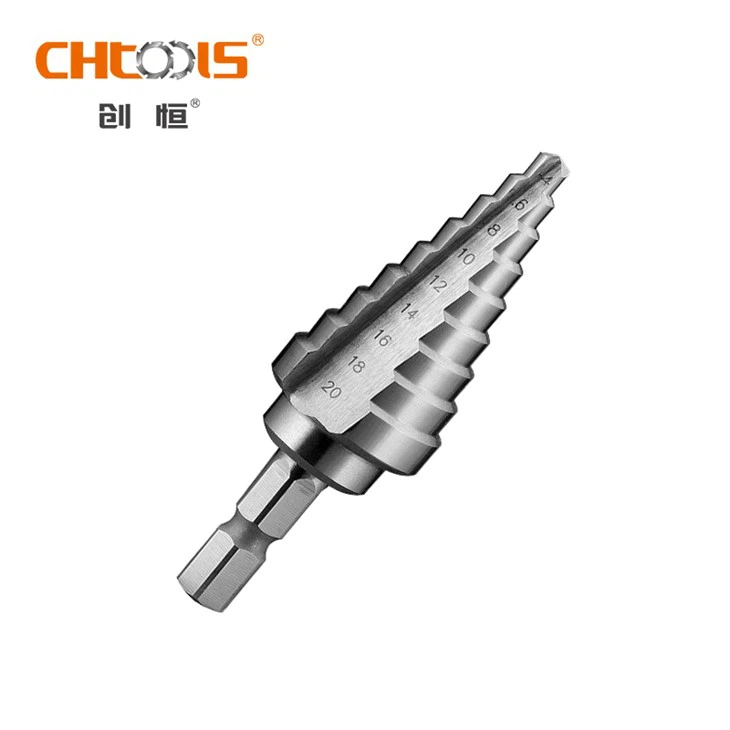
Step drills, also known as Step Bit, are unique drill bits with a series of stepped diameters along their length. Each step represents a different drill size, allowing you to create holes of multiple diameters without changing the drill bit. They are typically made from high - speed steel (HSS) or cobalt, which provides excellent durability and heat resistance. You can find a wide range of step drills on our website Step Bit.
Advantages of Step Drills for DIY Projects
1. Versatility
One of the most significant advantages of step drills is their versatility. With a single step drill, you can drill holes of different sizes, which is incredibly useful for DIY projects where you may need to create holes of various diameters. For example, if you're building a custom bookshelf and need to attach brackets, you can use a step drill to create holes for different screw sizes. This eliminates the need to carry around multiple drill bits, saving you time and space.
2. Precision
Step drills offer a high level of precision when drilling holes. The stepped design allows for gradual enlargement of the hole, reducing the risk of chipping or cracking the material. This is especially important when working with delicate materials such as plastic or thin metal sheets. For instance, when installing electrical outlets in a plastic junction box, a step drill ensures clean and accurate holes, preventing damage to the box and ensuring a proper fit for the outlet.
3. Cost - effectiveness
Since step drills can replace multiple single - sized drill bits, they are a cost - effective option for DIYers. Instead of investing in a set of individual drill bits for different hole sizes, you can purchase a single step drill that can handle a wide range of diameters. This not only saves you money on the initial purchase but also reduces the need for storage space for multiple drill bits.
4. Ease of Use
Step drills are relatively easy to use, even for beginners. The stepped design provides a clear guide for drilling, making it simple to achieve the desired hole size. You don't need to have advanced drilling skills to use a step drill effectively. Just place the drill bit on the material, start the drill, and gradually increase the pressure as you move to the next step. This makes step drills an ideal choice for DIY projects around the house.
Applications of Step Drills in DIY Projects
1. Metalworking
Step drills are excellent for metalworking projects. Whether you're working on a small metal craft or a larger metal fabrication project, a Step Drill Bit for Metal can handle the job. They can be used to drill holes in steel, aluminum, and other metals. For example, if you're building a metal frame for a garden gate, a step drill can create holes for bolts and rivets of different sizes.
2. Woodworking
In woodworking, step drills can be used for a variety of tasks. You can use them to create holes for dowels, screws, or to enlarge existing holes. When building a wooden cabinet, a step drill can be used to create holes for hinges or drawer pulls. The precision of the step drill ensures a perfect fit, enhancing the overall quality of the project.
3. Plastic and Composite Materials
Step drills are also well - suited for working with plastic and composite materials. They can drill clean holes without causing the material to melt or crack. For example, when installing plastic pipes or creating holes in a fiberglass panel, a step drill provides a neat and professional finish.
4. Electrical Work
In electrical work, step drills are essential for creating holes in electrical boxes, panels, and conduits. They can drill holes for wires, switches, and outlets with precision. This is crucial for ensuring the safety and functionality of electrical installations.
Limitations of Step Drills
While step drills have many advantages, they also have some limitations.
1. Depth Limitation
Step drills are generally designed for shallow holes. If you need to drill deep holes, a traditional twist drill may be a better option. The stepped design of the drill bit restricts the depth to which it can penetrate the material.
2. Material Thickness
Step drills work best on relatively thin materials. When drilling through thick materials, the drill bit may become overheated or lose its cutting edge more quickly. In such cases, it may be necessary to use a different type of drill bit.
Tips for Using Step Drills in DIY Projects
1. Choose the Right Step Drill
When selecting a step drill, consider the materials you'll be working with and the range of hole sizes you need. Make sure to choose a drill bit made from a suitable material, such as HSS for general use or cobalt for more demanding applications. You can find a variety of step drills on our website Step Drill Bit.
2. Use the Correct Speed and Pressure
Using the correct drill speed and pressure is crucial for achieving the best results. For softer materials, use a lower speed and less pressure, while for harder materials, increase the speed and pressure slightly. This helps prevent the drill bit from overheating and ensures a clean cut.

3. Lubrication
When drilling through metal, it's a good idea to use a lubricant such as cutting oil. This reduces friction, extends the life of the drill bit, and improves the quality of the hole.
Conclusion
In conclusion, step drills are highly suitable for DIY projects. Their versatility, precision, cost - effectiveness, and ease of use make them a valuable tool for any DIYer. Whether you're working on metal, wood, plastic, or electrical projects, a step drill can help you achieve professional - looking results. However, it's important to be aware of their limitations and use them correctly.
If you're interested in purchasing step drills for your DIY projects, we offer a wide range of high - quality step drills at competitive prices. We're always happy to assist you in choosing the right step drill for your specific needs. Contact us to start a procurement discussion and take your DIY projects to the next level.
References
- "Drilling Tools Handbook" - A comprehensive guide on various drilling tools and their applications.
- "DIY Project Ideas and Techniques" - A collection of DIY project ideas with tips on using different tools effectively.