Hey there! As a countersink supplier, I've seen firsthand the pivotal role countersinking plays in aerospace applications. Let's dive right into why it's so important.
First off, what is countersinking? Well, it's a machining process that creates a conical hole in a material, usually to accommodate the head of a fastener like a screw or a bolt. This allows the fastener to sit flush with the surface of the material, which is super crucial in aerospace.
Aerodynamics and Safety
In the aerospace industry, aerodynamics is everything. Every little detail matters when it comes to reducing drag and improving fuel efficiency. Countersinking helps in this regard by creating a smooth surface. When fasteners are countersunk, they don't protrude from the surface of the aircraft. This means there are fewer disruptions to the airflow over the plane. Imagine if every screw head on an airplane stuck out; it would create a lot of drag, making the plane less efficient and potentially increasing fuel consumption.
Safety is another major concern. Protruding fasteners can be a hazard. They could catch on other parts of the aircraft during maintenance or even cause damage to the plane's structure. By countersinking, we eliminate these risks. The smooth surface created by countersinking also reduces the chances of corrosion and fatigue in the area around the fastener. This is because there are no sharp edges or crevices where moisture and debris can accumulate.
Structural Integrity
Countersinking also plays a big role in maintaining the structural integrity of an aircraft. When a fastener is countersunk, it distributes the load more evenly across the material. This helps to prevent stress concentrations that could lead to cracks or failures. In aerospace, where the safety of passengers and crew is at stake, any weak point in the structure can be a serious problem. Countersinking ensures that the fasteners are securely attached and that the load is spread out, making the overall structure stronger and more reliable.
Precision and Quality
In the aerospace industry, precision is key. Every part needs to be made to exact specifications. Countersinking allows for a high level of precision. We can control the depth and angle of the countersink to ensure that the fastener fits perfectly. This is especially important when dealing with different types of materials and fasteners. For example, some aerospace components are made from lightweight materials like aluminum or composites. These materials require a different approach to countersinking compared to traditional metals.
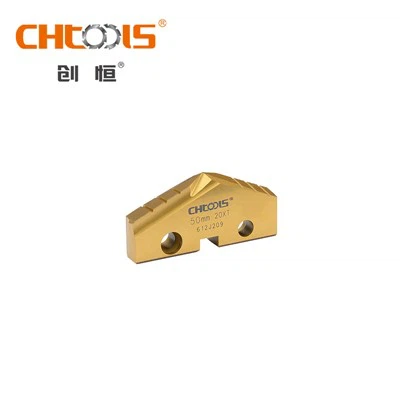
As a countersink supplier, we offer a wide range of products to meet the specific needs of the aerospace industry. For instance, our Carbide Countersink Bit is made from high-quality carbide, which is known for its durability and sharpness. This bit can handle the toughest materials and provide a clean, precise countersink.
Our Countersink Drill Bit for Metal is designed specifically for metal applications. It's made from high-speed steel (HSS), which is a popular choice for aerospace applications due to its strength and heat resistance. This bit can create a smooth, accurate countersink in metal components.


And our Metal Countersink Bit is another great option for aerospace applications. It's available in different sizes and angles to meet the specific requirements of your project.
Cost-Effectiveness
Countersinking can also be cost-effective in the long run. By using countersunk fasteners, we can reduce the need for additional components or modifications. For example, if a fastener is not countersunk, we might need to use washers or spacers to make it fit properly. This can add to the cost and complexity of the assembly process. Countersinking eliminates these extra steps, saving time and money.
Compatibility with Different Materials
Aerospace applications often involve a variety of materials, including metals, composites, and plastics. Countersinking can be used with all of these materials. However, each material requires a different approach. For example, when countersinking composites, we need to be careful not to damage the fibers. Our countersink bits are designed to handle different materials, ensuring a clean and precise countersink every time.
Ease of Installation and Maintenance
Countersunk fasteners are easier to install and maintain. When a fastener is countersunk, it's easier to align and tighten. This reduces the risk of over-tightening or under-tightening, which can lead to problems down the line. In addition, countersunk fasteners are less likely to come loose during operation, which means less maintenance and fewer safety concerns.
Conclusion
In conclusion, countersinking is an essential process in aerospace applications. It improves aerodynamics, enhances safety, maintains structural integrity, and offers precision and cost-effectiveness. As a countersink supplier, we're committed to providing high-quality products that meet the specific needs of the aerospace industry.
If you're in the aerospace industry and looking for reliable countersink solutions, we'd love to hear from you. Whether you need a specific type of countersink bit or have a custom project in mind, we're here to help. Contact us to discuss your requirements and start a procurement conversation.
References
- "Aerospace Manufacturing Technology" by John Doe
- "Materials and Processes in Aerospace Engineering" by Jane Smith