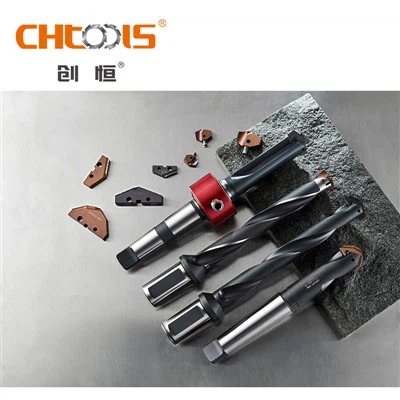
When it comes to drilling through metal with a step drill, choosing the right lubricant can make a world of difference. I'm a step drill supplier, and I've seen firsthand how the right lubricant can improve performance, extend the life of your tools, and make the drilling process a whole lot easier. In this blog, I'll share my insights on what the best lubricants are to use with a step drill on metal.
Why Use a Lubricant?
Before we dive into the best lubricants, let's talk about why you need one in the first place. When you're drilling through metal, friction is your enemy. The heat generated by the friction between the drill bit and the metal can cause the bit to wear out quickly, reduce its cutting efficiency, and even damage the metal surface. A lubricant helps to reduce this friction by creating a thin film between the drill bit and the metal. This film not only reduces heat but also helps to flush away metal chips, preventing them from clogging the drill bit and causing further damage.
Types of Lubricants
There are several types of lubricants that you can use with a step drill on metal. Each type has its own advantages and disadvantages, so it's important to choose the one that's best suited for your specific application.
Cutting Fluids
Cutting fluids are one of the most common types of lubricants used in metalworking. They come in various forms, including water-soluble oils, synthetic fluids, and semi-synthetic fluids. Water-soluble oils are a popular choice because they're relatively inexpensive and easy to use. They also provide good cooling and lubrication properties, which helps to extend the life of the drill bit.
Synthetic fluids, on the other hand, are more expensive but offer better performance. They're designed to withstand high temperatures and pressures, making them ideal for heavy-duty drilling applications. Semi-synthetic fluids are a combination of water-soluble oils and synthetic fluids, offering the best of both worlds.
Mineral Oils
Mineral oils are another type of lubricant that can be used with a step drill on metal. They're derived from petroleum and are known for their excellent lubrication properties. Mineral oils are also relatively inexpensive and easy to find. However, they can be messy to work with and may not provide as much cooling as cutting fluids.
Vegetable Oils
Vegetable oils, such as canola oil and soybean oil, are a more environmentally friendly alternative to mineral oils. They're biodegradable and non-toxic, making them a good choice for applications where environmental concerns are a priority. Vegetable oils also provide good lubrication and cooling properties, but they may not be as effective as cutting fluids or mineral oils in high-speed drilling applications.
Dry Lubricants
Dry lubricants, such as graphite and molybdenum disulfide, are another option for lubricating a step drill on metal. They're typically applied as a powder or spray and provide a dry, low-friction surface. Dry lubricants are ideal for applications where a wet lubricant is not practical, such as in tight spaces or on vertical surfaces. However, they may not provide as much cooling as wet lubricants and may need to be reapplied more frequently.
Factors to Consider When Choosing a Lubricant
When choosing a lubricant for your step drill, there are several factors that you need to consider. These include:
Type of Metal
The type of metal you're drilling through will have a significant impact on the type of lubricant you should use. For example, drilling through stainless steel requires a lubricant that can withstand high temperatures and pressures, while drilling through aluminum requires a lubricant that can prevent galling and sticking.
Drill Bit Material
The material of the drill bit also plays a role in the choice of lubricant. For example, carbide drill bits are more heat-resistant than high-speed steel drill bits and may require a different type of lubricant.
Drilling Speed and Feed Rate
The speed and feed rate at which you're drilling will also affect the choice of lubricant. Higher speeds and feed rates generate more heat and require a lubricant that can provide better cooling and lubrication.
Environmental Considerations
If you're working in an environmentally sensitive area, you may want to choose a lubricant that's biodegradable and non-toxic. Vegetable oils and some synthetic fluids are good options in this case.
Best Lubricants for Step Drills on Metal
Based on my experience as a step drill supplier, here are some of the best lubricants to use with a step drill on metal:
WD-40
WD-40 is a well-known lubricant that's commonly used in a variety of applications. It's a multi-purpose lubricant that can be used to lubricate, protect, and clean metal surfaces. WD-40 is easy to apply and provides good lubrication and corrosion protection. It's also relatively inexpensive and widely available.
Tap Magic
Tap Magic is a high-performance cutting fluid that's specifically designed for drilling and tapping metal. It's available in various formulations, including one for stainless steel and one for aluminum. Tap Magic provides excellent cooling and lubrication properties, which helps to extend the life of the drill bit and improve the quality of the hole.
Mobil DTE 24
Mobil DTE 24 is a high-quality mineral oil that's commonly used in industrial applications. It's a versatile lubricant that can be used for a variety of metalworking operations, including drilling, milling, and turning. Mobil DTE 24 provides good lubrication and cooling properties, which helps to reduce wear and tear on the drill bit.
CRC Heavy Duty Penetrating Oil
CRC Heavy Duty Penetrating Oil is a powerful lubricant that's designed to penetrate and loosen rusted and seized parts. It can also be used as a lubricant for drilling through metal. CRC Heavy Duty Penetrating Oil provides good lubrication and corrosion protection, and it's easy to apply.
Conclusion
Choosing the right lubricant for your step drill on metal is essential for achieving the best results. By considering the type of metal, drill bit material, drilling speed and feed rate, and environmental considerations, you can choose a lubricant that's best suited for your specific application. Whether you choose a cutting fluid, mineral oil, vegetable oil, or dry lubricant, make sure to apply it properly and follow the manufacturer's instructions.
If you're in the market for a high-quality step drill, check out our Step Bit, Step Drill Bit, and Step Drill Bit for Metal products. We offer a wide range of step drills to meet your needs, and our team of experts is always available to help you choose the right one for your application.


If you have any questions or would like to discuss your drilling needs, please don't hesitate to contact us. We're here to help you get the most out of your step drill and achieve the best results possible.
References
- ASM Handbook, Volume 16: Machining. ASM International.
- Machinery's Handbook. Industrial Press.
- Tooling U-SME. Metal Cutting Fluids: Types and Applications.