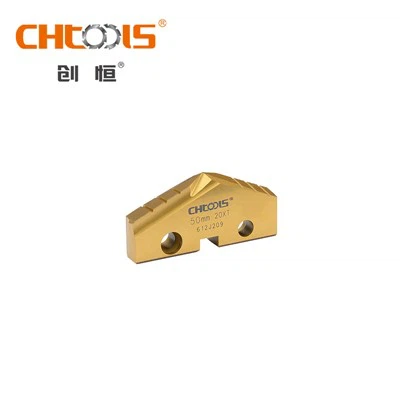
Hey there! As a Step Bit supplier, I've seen firsthand the importance of understanding the security aspects related to these handy tools. In this blog post, I'll break down the key safety considerations when it comes to Step Bits, so you can use them with confidence.
What is a Step Bit?
First off, let's clarify what a Step Bit is. A Step Bit, also known as a Step Drill Bit, is a versatile cutting tool used primarily in metalworking and other applications. You can learn more about Step Bit on our website. These bits have a unique stepped design that allows them to drill holes of different diameters in a single operation. They're often used for tasks like drilling holes in thin sheets of metal, plastics, and even wood.
Safety in Design
One of the first security aspects to consider is the design of the Step Bit itself. A well - designed Step Bit is engineered to minimize the risk of accidents. For example, the steps on the bit should be precisely machined. This ensures that the bit cuts smoothly and evenly, reducing the chance of it getting jammed in the material. If a bit gets stuck, it can cause the drill to kick back, which is a major safety hazard.
The tip of the Step Bit also plays a crucial role in safety. A sharp and well - shaped tip helps the bit start the hole accurately. When the tip is dull or damaged, it can wander on the surface of the material, making it difficult to control the drill and increasing the risk of injury. That's why it's important to choose Step Drill Bit from a reliable supplier who pays attention to these design details.


Material and Durability
The material used to make the Step Bit is another significant security factor. High - quality Step Bits are typically made from materials like high - speed steel (HSS) or cobalt. These materials are known for their hardness and heat resistance.
When a bit is made from a durable material, it can withstand the high temperatures and pressures generated during the drilling process. This means it's less likely to break or wear down quickly. A broken bit can send sharp fragments flying, which is extremely dangerous. So, if you're working with metal, for instance, make sure to use a Step Drill Bit for Metal that's made from a suitable, high - quality material.
Proper Usage and Training
Even the safest Step Bit can pose risks if not used correctly. That's why proper training is essential. Operators should be familiar with the drill they're using and understand how to adjust the speed and feed rate according to the type of material and the size of the hole they're drilling.
For example, when drilling through metal, using too high a speed can cause the bit to overheat and dull quickly. On the other hand, using too low a speed might not provide enough cutting force, leading to a rough and uneven hole. Additionally, operators should always wear appropriate personal protective equipment (PPE), such as safety glasses to protect their eyes from flying debris and gloves to prevent cuts from sharp edges.
Storage and Maintenance
Storing and maintaining your Step Bits properly is also crucial for security. Step Bits should be stored in a dry and clean place. Moisture can cause the bits to rust, which can weaken them and affect their performance. It's a good idea to use a bit case or a tool organizer to keep the bits organized and prevent them from getting damaged or lost.
Regular maintenance is also necessary. After each use, the bits should be cleaned to remove any debris or chips. You can use a wire brush or a cleaning solvent to do this. Additionally, inspect the bits for any signs of wear or damage. If a bit is chipped or dull, it should be replaced immediately.
Compatibility with Drills
Step Bits need to be compatible with the drill they're used with. The drill chuck size should match the shank size of the Step Bit. A loose or ill - fitting bit can come out of the chuck during operation, which is extremely dangerous.
Some drills also have variable speed settings. Ensure that the drill is capable of providing the appropriate speed for the Step Bit and the material you're working with. For example, a slower speed is usually required for harder materials like stainless steel, while a higher speed can be used for softer materials like aluminum.
Environmental Considerations
The environment in which you use Step Bits can also affect security. When working in a confined space, there might be limited ventilation. Drilling can produce dust and fumes, especially when working with certain materials. Make sure the area is well - ventilated to avoid inhaling harmful particles.
Also, be aware of your surroundings. Keep the work area clean and free of clutter. This reduces the risk of tripping or knocking over tools, which could lead to an accident.
First Aid and Emergency Preparedness
Despite taking all the necessary precautions, accidents can still happen. That's why it's important to have a first - aid kit readily available in the work area. Everyone who uses Step Bits should be trained in basic first - aid procedures, especially for treating cuts and eye injuries.
It's also a good idea to have an emergency plan in place. This includes knowing the location of the nearest fire extinguisher and the steps to take in case of a serious accident.
Conclusion
In conclusion, understanding the security aspects related to Step Bits is crucial for anyone who uses these tools. From the design and material of the bit itself to proper usage, storage, and environmental considerations, every aspect plays a role in ensuring a safe working environment.
If you're in the market for high - quality Step Bits, we're here to help. We offer a wide range of Step Bits designed with safety in mind. Whether you need a Step Bit for general purpose work or a Step Drill Bit for Metal, we've got you covered. Don't hesitate to reach out for more information and to discuss your specific requirements. We're ready to assist you in making the right choice for your projects.
References
- General knowledge from years of experience as a Step Bit supplier.
- Industry standards and best practices for tool safety.