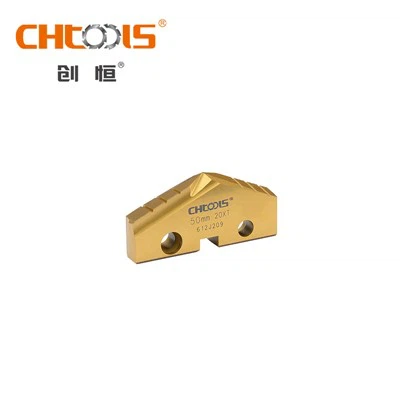
As a supplier of indexable drills, I've witnessed firsthand the critical role these tools play in various industries, from automotive manufacturing to aerospace engineering. Indexable drills are renowned for their efficiency, precision, and cost - effectiveness, but their performance can be influenced by a multitude of factors. In this blog, I'll delve into the key elements that can either enhance or hinder the performance of indexable drills.
1. Drill Geometry
The geometry of an indexable drill is fundamental to its performance. It encompasses several aspects, including the point angle, helix angle, and chisel edge design.
The point angle is the angle formed at the tip of the drill. A smaller point angle, typically around 118 degrees, is ideal for drilling into softer materials as it provides a sharper cutting edge and reduces the thrust force required. On the other hand, a larger point angle, such as 135 degrees, is better suited for harder materials. It distributes the cutting forces more evenly, preventing the drill from wandering and reducing the risk of breakage.
The helix angle affects chip evacuation and cutting forces. A high helix angle, usually above 30 degrees, promotes efficient chip removal, which is crucial when drilling deep holes or using materials that produce long, stringy chips. However, a high helix angle may also reduce the drill's rigidity, making it more prone to deflection. Conversely, a low helix angle provides greater rigidity but may result in poor chip evacuation.
The chisel edge design also impacts performance. A sharp chisel edge can penetrate the workpiece more easily, but it may also cause the drill to wander. Some indexable drills feature a split point or a modified chisel edge to improve centering and reduce thrust force. For more information on different drill geometries, you can visit our Insert Drill page.
2. Insert Material and Coating
The insert is the cutting part of the indexable drill, and its material and coating significantly affect performance.
Cemented carbide is the most commonly used insert material due to its high hardness, wear resistance, and heat resistance. However, different grades of cemented carbide are available, each tailored to specific applications. For example, a fine - grained carbide grade is suitable for high - precision drilling, while a coarser grade may be more appropriate for roughing operations.
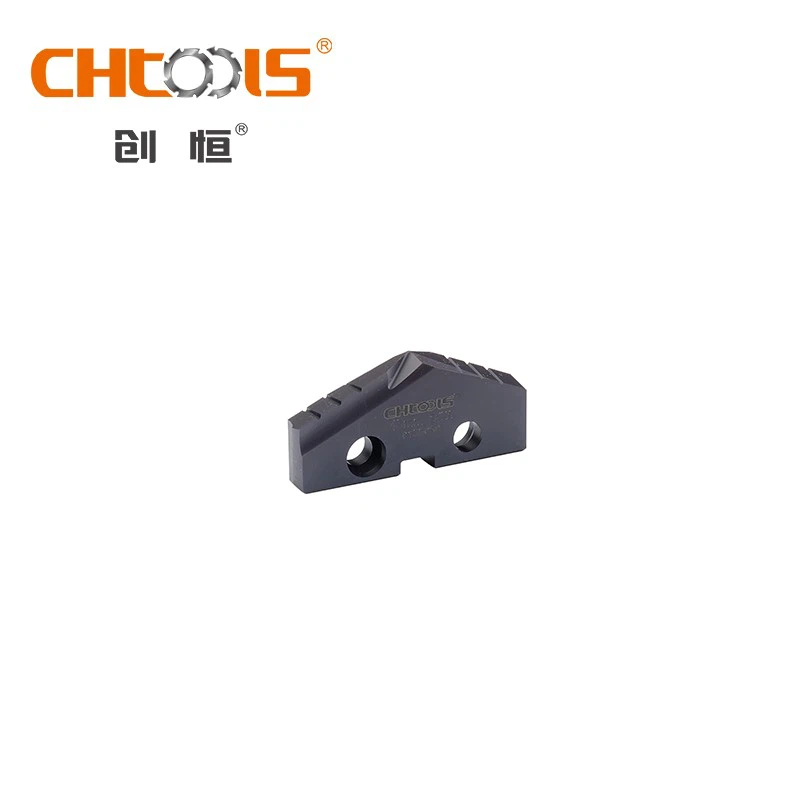
Coatings can further enhance the performance of indexable drill inserts. Titanium nitride (TiN) is one of the most widely used coatings. It provides a hard, wear - resistant surface that reduces friction and extends the insert's lifespan. Other coatings, such as titanium aluminum nitride (TiAlN) and chromium nitride (CrN), offer improved heat resistance and oxidation resistance, making them suitable for high - speed drilling and machining of difficult - to - machine materials. Our Spade Drill Insert page offers a range of inserts with different materials and coatings to meet various requirements.
3. Workpiece Material
The material of the workpiece is a major factor influencing the performance of indexable drills. Different materials have different mechanical properties, such as hardness, toughness, and thermal conductivity, which can affect the cutting process.
When drilling into soft materials like aluminum or brass, the main challenge is often chip control. These materials tend to produce long, stringy chips that can clog the drill flutes and cause poor surface finish. In such cases, a drill with a high helix angle and a chip - breaking geometry is recommended.
Hard materials, such as stainless steel or hardened steel, pose different challenges. They require drills with high - strength inserts and appropriate coatings to withstand the high cutting forces and heat generated during the drilling process. Additionally, the cutting parameters, such as cutting speed and feed rate, need to be carefully selected to avoid premature insert wear or breakage.
4. Cutting Parameters
Cutting parameters, including cutting speed, feed rate, and depth of cut, have a direct impact on the performance of indexable drills.

The cutting speed is the speed at which the drill tip moves relative to the workpiece. A higher cutting speed generally results in increased productivity, but it also generates more heat, which can lead to insert wear and reduced tool life. The optimal cutting speed depends on the workpiece material, insert material, and drill diameter.
The feed rate is the distance the drill advances into the workpiece per revolution. A higher feed rate can increase the material removal rate, but it may also cause excessive cutting forces and poor surface finish. Similar to cutting speed, the feed rate needs to be adjusted according to the specific application.
The depth of cut is the thickness of the material removed in a single pass. A larger depth of cut can reduce the number of passes required, but it also increases the cutting forces and the risk of drill deflection. It's important to find the right balance between depth of cut, cutting speed, and feed rate to achieve optimal performance.
5. Machine Tool and Rigidity
The machine tool used for drilling plays a crucial role in the performance of indexable drills. A rigid machine tool is essential to minimize vibration and deflection during the drilling process. Vibration can cause uneven wear on the drill inserts, poor surface finish, and even premature tool failure.
The spindle speed and power of the machine tool also need to be compatible with the cutting parameters of the indexable drill. If the spindle speed is too low, the drill may not be able to achieve the desired cutting speed, resulting in inefficient machining. On the other hand, if the spindle power is insufficient, the drill may stall or break under heavy cutting loads.
6. Coolant and Lubrication
Coolant and lubrication are vital for maintaining the performance of indexable drills. Coolant helps to dissipate heat generated during the cutting process, reducing the risk of insert wear and thermal damage to the workpiece. It also flushes away chips from the drill flutes, preventing chip clogging and improving chip evacuation.
There are different types of coolants available, including water - based coolants, oil - based coolants, and synthetic coolants. Each type has its own advantages and disadvantages, and the choice depends on the specific application and workpiece material.
Lubrication reduces friction between the drill and the workpiece, which can improve surface finish and extend the insert's lifespan. Some indexable drills are designed to work with minimal lubrication, while others require a generous supply of coolant for optimal performance.
7. Tool Holding
Proper tool holding is essential for ensuring the stability and accuracy of indexable drills. A loose or misaligned tool holder can cause vibration, deflection, and poor hole quality.
There are various types of tool holders available, such as collet chucks, hydraulic chucks, and shrink - fit holders. Each type has its own characteristics, and the choice depends on factors such as the drill diameter, cutting forces, and required accuracy.
A well - maintained tool holder is also important. Regular cleaning and inspection can prevent the buildup of debris and ensure a secure fit between the drill and the tool holder.
Conclusion
In conclusion, the performance of indexable drills is influenced by a complex interplay of factors, including drill geometry, insert material and coating, workpiece material, cutting parameters, machine tool and rigidity, coolant and lubrication, and tool holding. As a supplier of Indexable Drill Bit, I understand the importance of considering all these factors to provide our customers with the best - performing tools.
If you're in the market for high - quality indexable drills and need advice on how to optimize their performance for your specific application, don't hesitate to reach out. Our team of experts is ready to assist you in selecting the right products and providing guidance on cutting parameters and best practices. We look forward to the opportunity to work with you and help you achieve greater efficiency and productivity in your drilling operations.
References
- Trent, E. M., & Wright, P. K. (2000). Metal Cutting. Butterworth - Heinemann.
- Kalpakjian, S., & Schmid, S. R. (2010). Manufacturing Engineering and Technology. Pearson Prentice Hall.