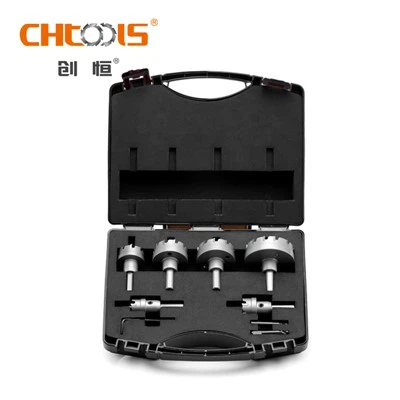
When it comes to metalworking and construction projects, HSS annular cutters are indispensable tools. As a trusted HSS annular cutter supplier, I understand the importance of safety when using these powerful cutting tools. In this blog post, I'll share some essential tips and best practices to ensure your safety while using HSS annular cutters.


Understanding HSS Annular Cutters
Before delving into safety measures, let's briefly understand what HSS annular cutters are. HSS, or High-Speed Steel, annular cutters are designed to cut holes in metal, wood, and other materials efficiently. They feature a hollow center, which allows for faster cutting and less material removal compared to traditional drill bits. Our HSS Annular Cutter Drill Bit is a prime example of a high-quality tool that offers precision and durability.
Pre-Use Safety Checks
- Inspect the Cutter: Before each use, carefully examine the HSS annular cutter for any signs of damage, such as cracks, chips, or dull teeth. A damaged cutter can not only affect the quality of the cut but also pose a safety risk. If you notice any issues, replace the cutter immediately.
- Check the Arbor: The arbor is the part that connects the cutter to the drill. Ensure that it is in good condition, properly tightened, and compatible with the cutter. A loose or damaged arbor can cause the cutter to wobble or come loose during operation.
- Examine the Drill: Inspect the drill for any mechanical problems, such as a faulty switch, loose parts, or frayed cords. Make sure the drill is properly grounded and in good working condition.
Personal Protective Equipment (PPE)
- Eye Protection: Always wear safety glasses or goggles to protect your eyes from flying debris, chips, and metal shavings. Even a small particle can cause serious eye injuries.
- Hearing Protection: HSS annular cutters can generate significant noise during operation. Wear earplugs or earmuffs to protect your hearing from long-term damage.
- Gloves: Use cut-resistant gloves to protect your hands from sharp edges and hot metal. Gloves also provide a better grip on the drill and cutter.
- Respiratory Protection: If you are working in a dusty environment, wear a dust mask or respirator to prevent inhalation of harmful particles.
Workspace Safety
- Secure the Workpiece: Make sure the workpiece is firmly secured to a stable surface using clamps or a vise. A loose workpiece can move during cutting, causing the cutter to bind or kickback.
- Clear the Area: Remove any clutter, tools, or debris from the work area to prevent tripping hazards. Keep the area well-lit and ventilated.
- Use a Guard: If your drill or cutter is equipped with a guard, make sure it is properly installed and in place. The guard helps to prevent accidental contact with the rotating cutter.
Operating the HSS Annular Cutter
- Follow the Manufacturer's Instructions: Read and understand the manufacturer's instructions for both the cutter and the drill before use. Follow the recommended cutting speeds, feeds, and lubrication methods.
- Start Slowly: Begin the cutting process at a slow speed to allow the cutter to penetrate the material smoothly. Once the cutter is fully engaged, gradually increase the speed.
- Apply Steady Pressure: Apply a steady, even pressure on the drill to keep the cutter moving smoothly through the material. Avoid applying too much pressure, as this can cause the cutter to overheat or break.
- Use Lubrication: Lubrication is essential for reducing friction and heat during cutting. Use a suitable cutting fluid or lubricant recommended by the manufacturer. Apply the lubricant generously to the cutter and the workpiece.
- Do Not Force the Cutter: If the cutter encounters resistance or binds, stop the drill immediately. Do not try to force the cutter through the material, as this can cause damage to the cutter and the drill.
Post-Use Safety
- Turn Off the Drill: After completing the cutting process, turn off the drill and unplug it from the power source.
- Allow the Cutter to Cool: The cutter can become very hot during operation. Allow it to cool down completely before handling.
- Clean the Cutter: Use a brush or compressed air to remove any chips, debris, or lubricant from the cutter. Store the cutter in a clean, dry place.
Additional Safety Tips
- Training: Ensure that anyone using the HSS annular cutter is properly trained and experienced. Provide training on the safe operation of the cutter, as well as the use of PPE and other safety equipment.
- Regular Maintenance: Perform regular maintenance on the cutter and the drill to keep them in good working condition. This includes sharpening the cutter, replacing worn parts, and lubricating moving components.
- Emergency Preparedness: Have a first aid kit and a fire extinguisher readily available in the work area. Know the location of the nearest emergency exits and evacuation routes.
In conclusion, safety should always be your top priority when using HSS annular cutters. By following these safety tips and best practices, you can minimize the risk of accidents and injuries and ensure a successful and productive cutting operation.
If you're in the market for high-quality HSS annular cutters, we offer a wide range of products, including our Annular Cutter Drill Bit and HSS Annular Cutter with Fein Quick In Shank. Our products are designed to meet the highest standards of quality and performance. Contact us today to discuss your specific requirements and explore our product range. We're here to help you find the perfect solution for your cutting needs.
References
- American National Standards Institute (ANSI). (2018). Safety requirements for machine tools - Drilling machines. ANSI B94.11M-2018.
- Occupational Safety and Health Administration (OSHA). (2012). General industry safety and health standards - Machine guarding. 29 CFR 1910.212.
- Manufacturer's instructions for HSS annular cutters and drills.