As a nut tap supplier, I've encountered numerous inquiries from DIY enthusiasts, professional mechanics, and industrial workers about the compatibility of nut taps with hand - held drills. This question is not only relevant but also crucial for those who want to perform threading operations efficiently and accurately. In this blog post, I'll delve into the details of whether a nut tap can be used in a hand - held drill, discussing the pros, cons, and best practices.
Understanding Nut Taps
Before we explore the compatibility with hand - held drills, let's first understand what nut taps are. Nut taps are cutting tools used to create internal threads in nuts or other pre - drilled holes. They come in various types, including the Round Shank Type Nut Tap and the Threaded Shank Type Nut Tap.
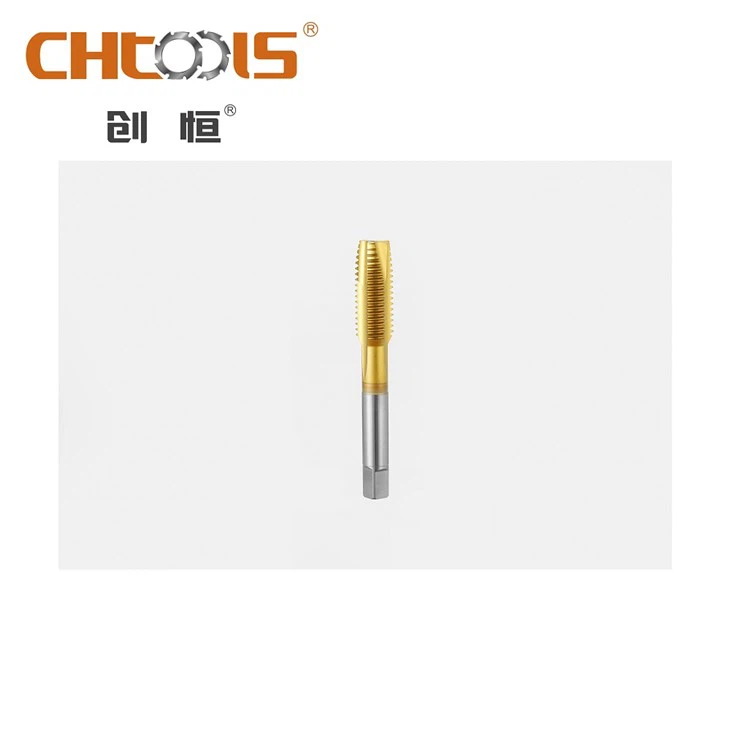
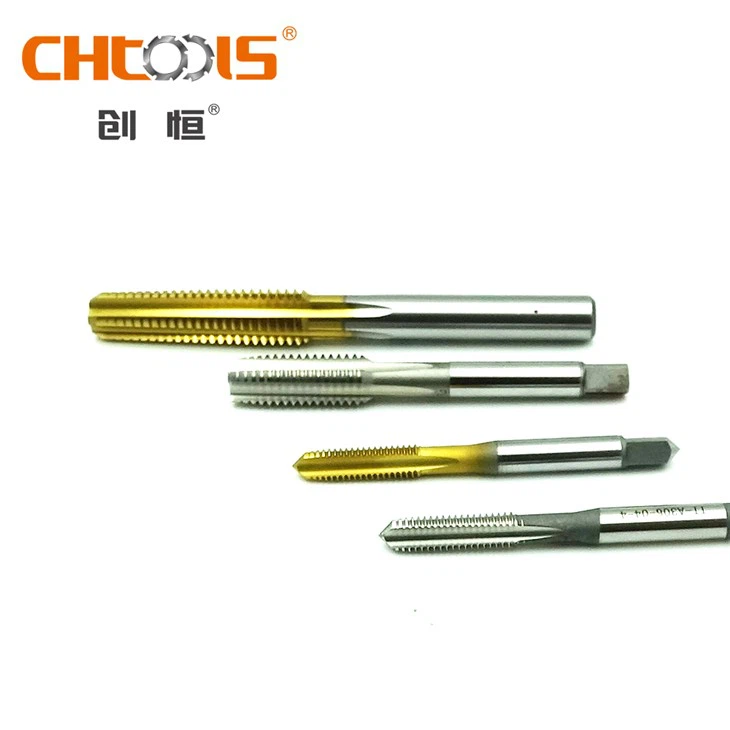
The round shank type is commonly used in general threading applications. It has a smooth, round shank that can be held in a tap wrench or other suitable holders. On the other hand, the threaded shank type is designed for specific applications where a more secure connection is required. It has a threaded shank that can be screwed into a corresponding threaded hole in a fixture or a power tool adapter.
Can a Nut Tap Be Used in a Hand - Held Drill?
The short answer is yes, a nut tap can be used in a hand - held drill, but with several important considerations.
Advantages of Using a Nut Tap in a Hand - Held Drill
- Speed and Efficiency: One of the main advantages of using a hand - held drill with a nut tap is the increased speed of the threading process. Manual tapping can be time - consuming, especially when dealing with multiple holes or hard materials. A drill can rotate the tap at a consistent speed, allowing for faster threading.
- Reduced Physical Effort: Tapping by hand requires significant physical strength, especially when working with larger taps or tough materials. Using a hand - held drill reduces the amount of force needed from the operator, making the task less strenuous, especially for those with limited hand strength or for long - term projects.
Disadvantages and Challenges
- Lack of Precision: Hand - held drills are not as precise as dedicated tapping machines. It can be difficult to maintain a perfectly straight alignment while drilling, which may result in misaligned or damaged threads. This is particularly problematic when high - precision threading is required, such as in aerospace or automotive applications.
- Risk of Breakage: The high rotational speed of a hand - held drill can cause the nut tap to break, especially if the material is hard or if the tap encounters resistance. Once a tap breaks inside the hole, it can be extremely difficult to remove, potentially ruining the workpiece.
- Chip Removal: Proper chip removal is crucial during the tapping process. When using a hand - held drill, it can be challenging to ensure that the chips are cleared from the hole effectively. Accumulated chips can cause the tap to bind, leading to breakage or poor - quality threads.
Best Practices for Using a Nut Tap in a Hand - Held Drill
If you decide to use a nut tap in a hand - held drill, here are some best practices to follow:
- Select the Right Drill and Tap: Choose a hand - held drill with variable speed control. This allows you to adjust the speed according to the material and the size of the tap. Also, make sure to select the appropriate nut tap for the job, considering factors such as thread size, pitch, and material compatibility.
- Prepare the Workpiece: Ensure that the hole is properly drilled to the correct size before tapping. A hole that is too small can cause excessive resistance, while a hole that is too large may result in loose threads. Use a center punch to mark the center of the hole and start the tap at a slow speed to ensure proper alignment.
- Use Cutting Fluid: Applying a suitable cutting fluid during the tapping process can reduce friction, dissipate heat, and improve chip removal. This helps to extend the life of the tap and produces better - quality threads.
- Control the Speed: Start the drill at a slow speed and gradually increase it as the tap progresses into the hole. Avoid using high speeds when starting the tap, as this can cause the tap to skip or break.
- Reverse the Drill Regularly: To clear the chips from the hole, reverse the drill periodically. This helps to prevent chip accumulation and reduces the risk of tap breakage.
Safety Considerations
When using a nut tap in a hand - held drill, safety should be your top priority.
- Wear Protective Gear: Always wear safety glasses to protect your eyes from flying chips. Gloves can also provide some protection, but make sure they are not too loose, as they could get caught in the drill.
- Secure the Workpiece: Use a vise or other suitable clamping device to secure the workpiece firmly. This helps to prevent the workpiece from moving during the tapping process, reducing the risk of injury and ensuring better - quality threads.
- Inspect the Tap and Drill: Before starting the job, inspect the nut tap for any signs of damage or wear. Also, check the drill for proper operation and make sure the chuck is tightened securely.
Conclusion
In conclusion, while it is possible to use a nut tap in a hand - held drill, it is not without its challenges. The decision to use a hand - held drill for tapping depends on the specific requirements of the job, such as precision, speed, and the type of material. If you need high - precision threading, a dedicated tapping machine may be a better choice. However, for less critical applications or when working on a budget, a hand - held drill can be a viable option as long as you follow the best practices and safety guidelines.
If you're in the market for high - quality nut taps, we are here to help. Our company offers a wide range of nut taps, including the Round Shank Type Nut Tap and the Threaded Shank Type Nut Tap. We are committed to providing our customers with the best products and services. If you have any questions or would like to discuss your specific requirements, please feel free to contact us for a procurement discussion. We look forward to serving you.
References
- Machinery's Handbook, 31st Edition
- ASME B1.1 - 2019, Unified Inch Screw Threads (UN and UNR Thread Form)
- ISO 68 - 1:2016, ISO general purpose screw threads -- Basic profile -- Part 1: Metric screw threads